India day 7 + 8
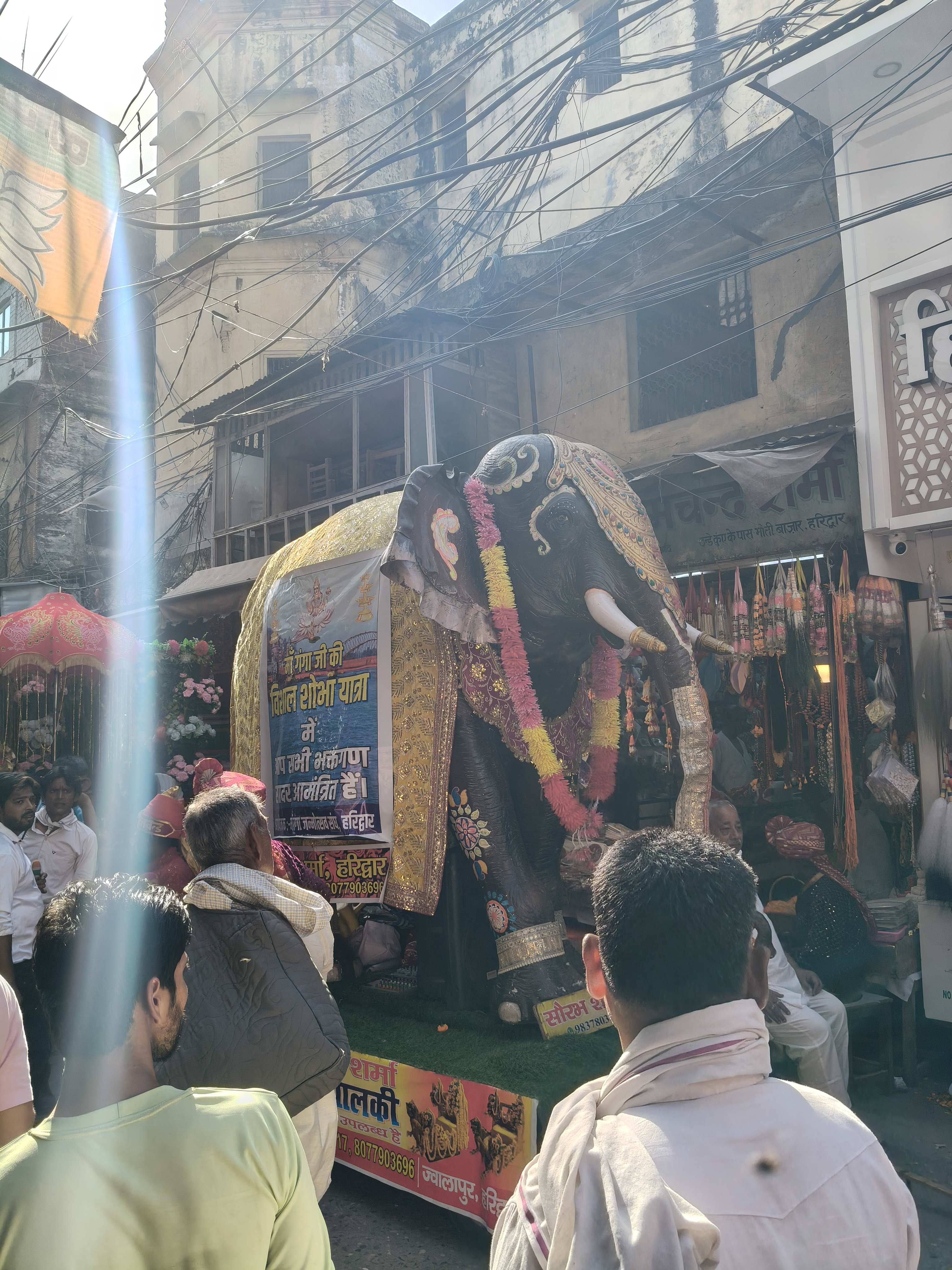
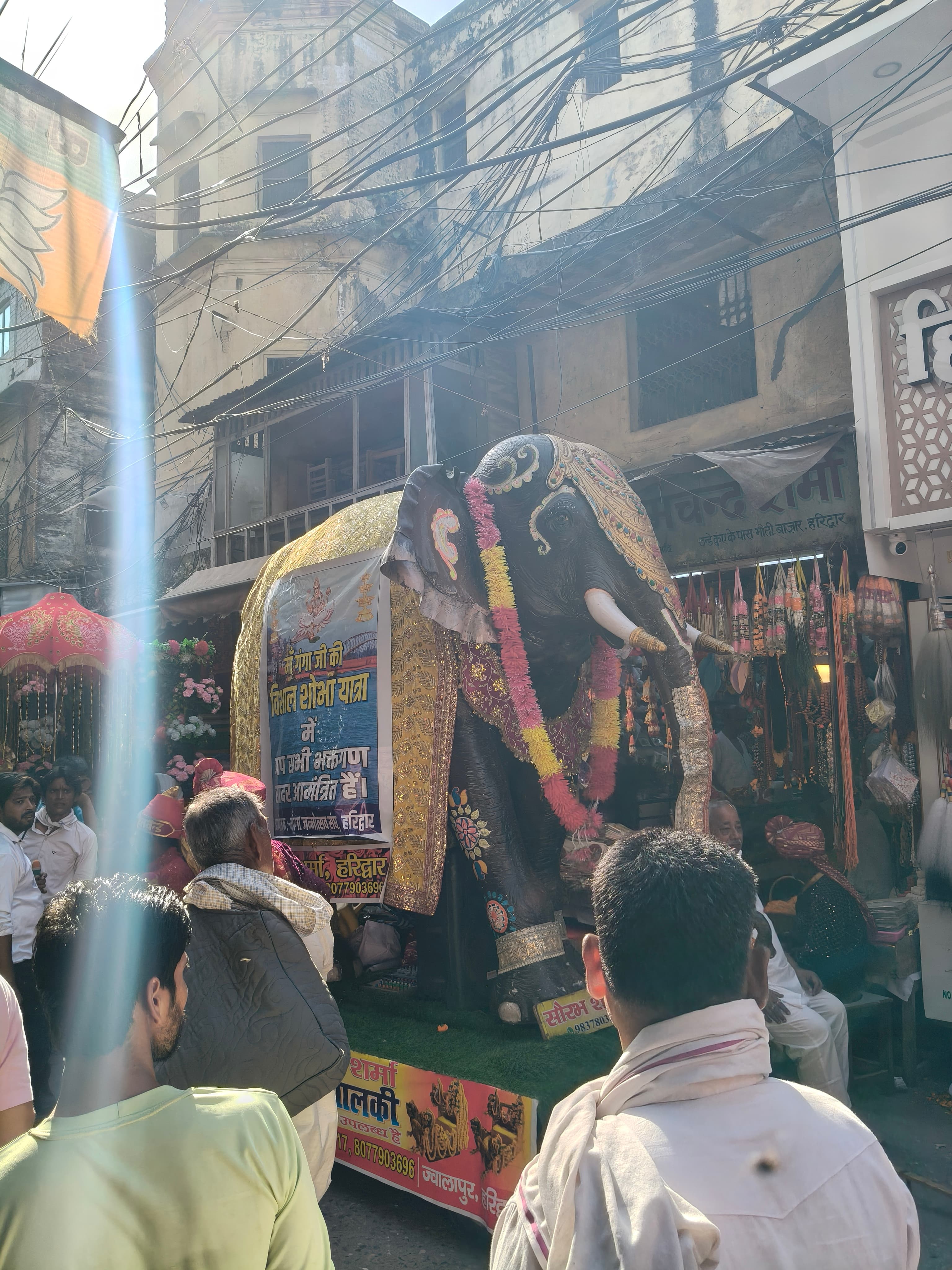
On day 7 in India I got back from the mountains to Hardiwar. This time by bus. It was much easier, as the bus went directly from Saari to Hardiwar and I had my own seat! When I arrived in my home stay in Hardiwar I did only three more things: I took a nap, I woke up and ate, and then I got to sleep again. I'm really enjoying the fact that in Indian home stays you can always just just join the host family's dinner and have whatever they are having.
Today, on day 8, I wanted to explore the holy city of Hardiwar, even if it meant walking around with 38° C. So I took a tuktuk to one of the cities' oldest temples, the Maya Devi Temple. There I got in a conversation with a man that came up to me, asking if I would like to have a tour. And actually that was a good idea, because I would have had no idea what I'm looking at. So the temple dates back to about 1000 years back and is dedicated to a Goddess Maya, one form of the divine feminine power. She is depicted with three heads. I'm really not sure about this one, but if I remember right: One for creation, one for operation and life, and one for destruction. Together they prsent the whole cycle of existence. Inside of the shrine in the centre of the temple were red and green blinking neon lights and two more statues, but as I was wearing short pants I was adviced not to enter in this sacred place and looked at it from the distance.
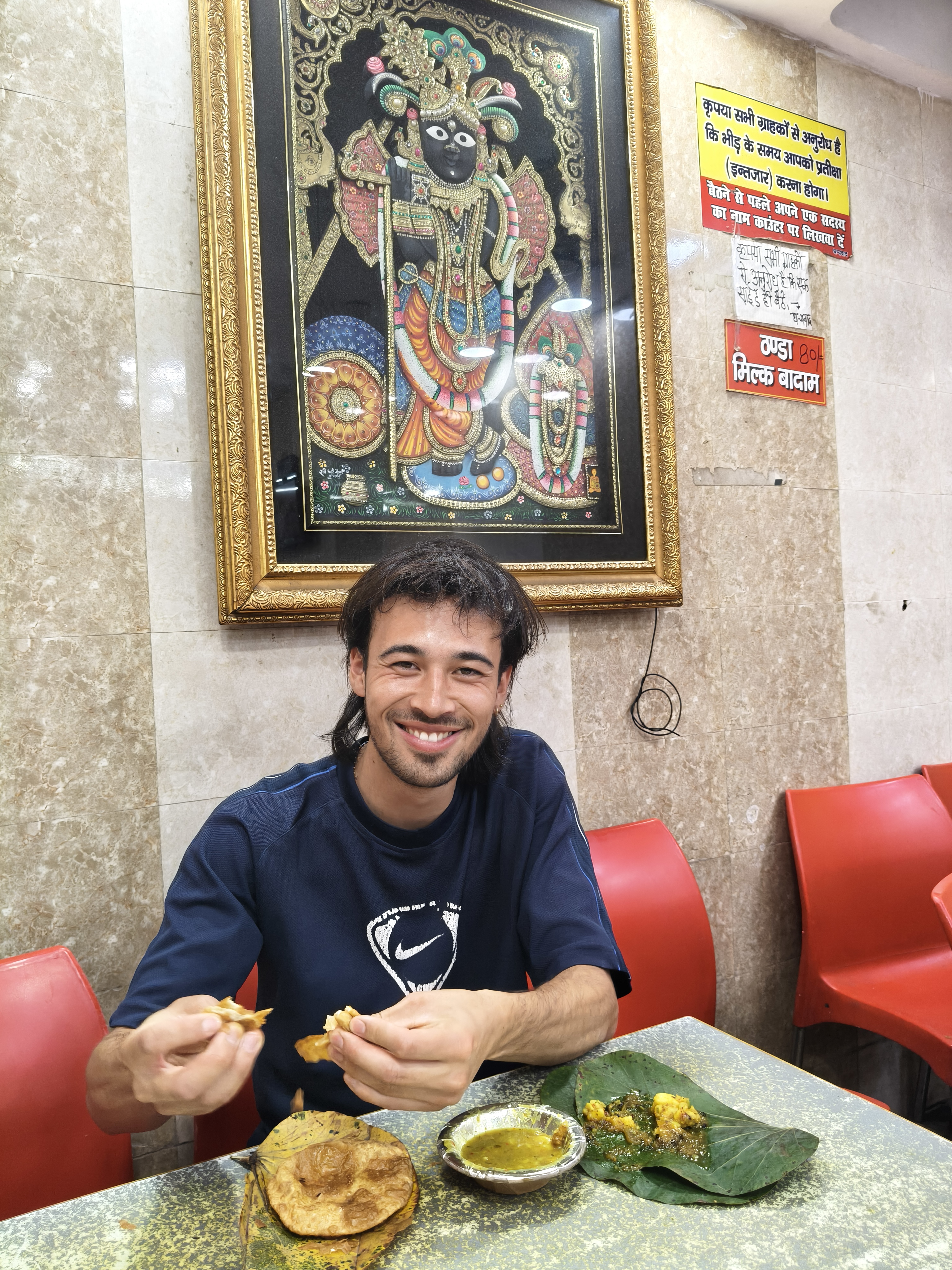
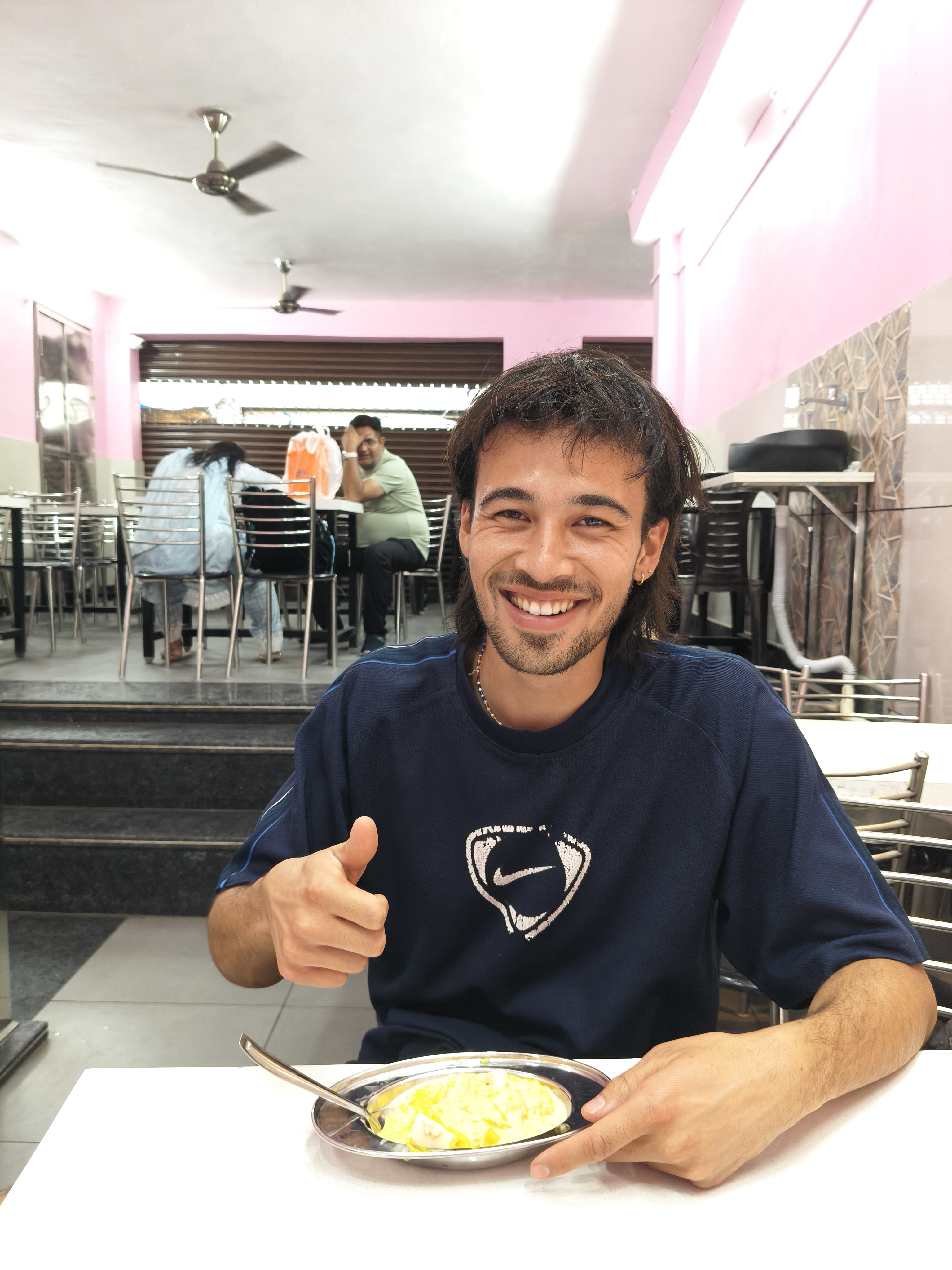
After the tour, my guide Satish asked me if I wanted to go to the main market with him and we settled on a price of 1000 rupees, what should be about 9 CHF. So for the next three hours we went from stall to stall and ate everything that he recommended. Samosas, lassis, puri (fried chapati bread), pakora, kachori, chai, and my highlight: falooda. This is a cold dessert with milk, ice cream and some kind of noodles.
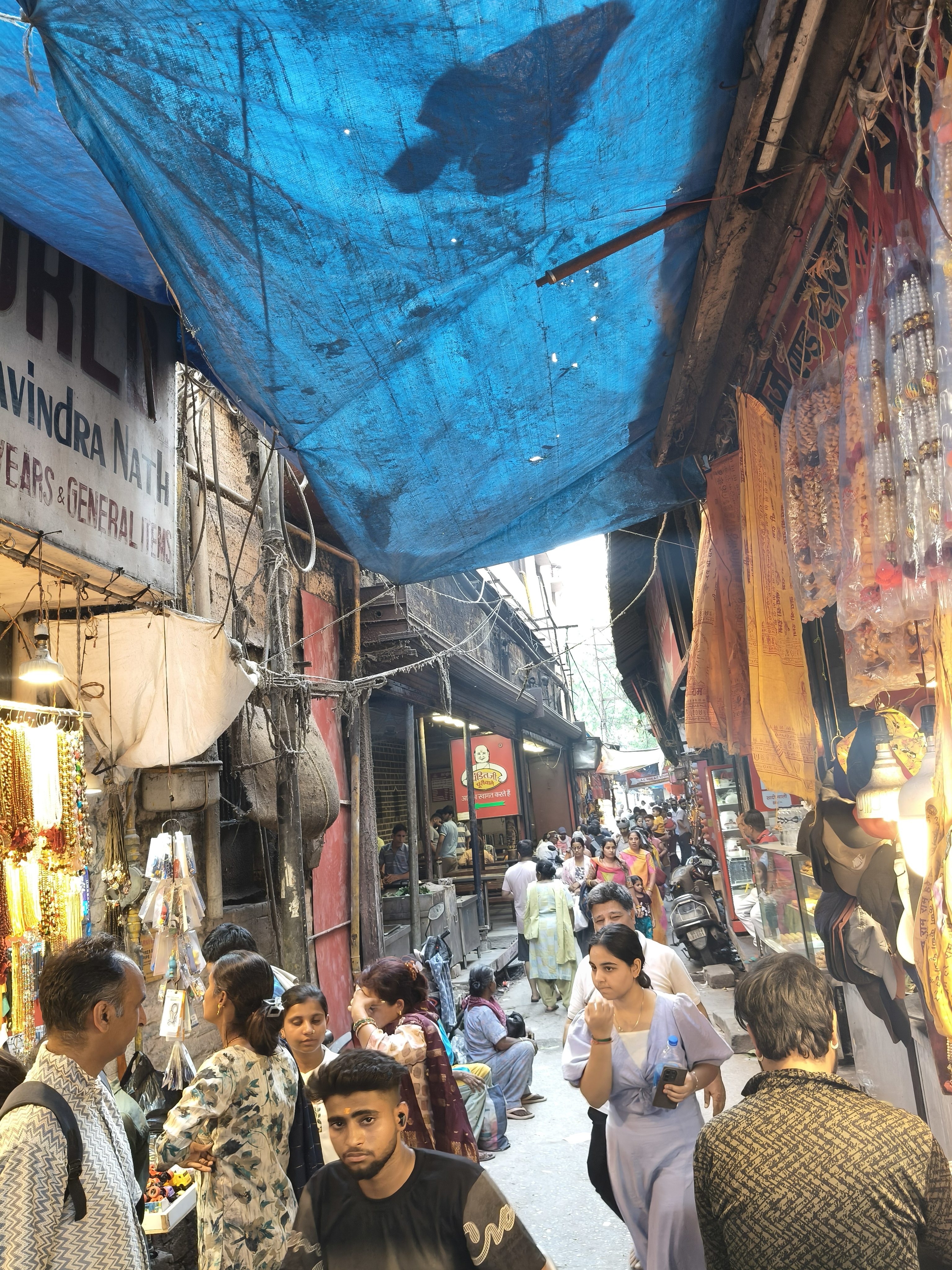
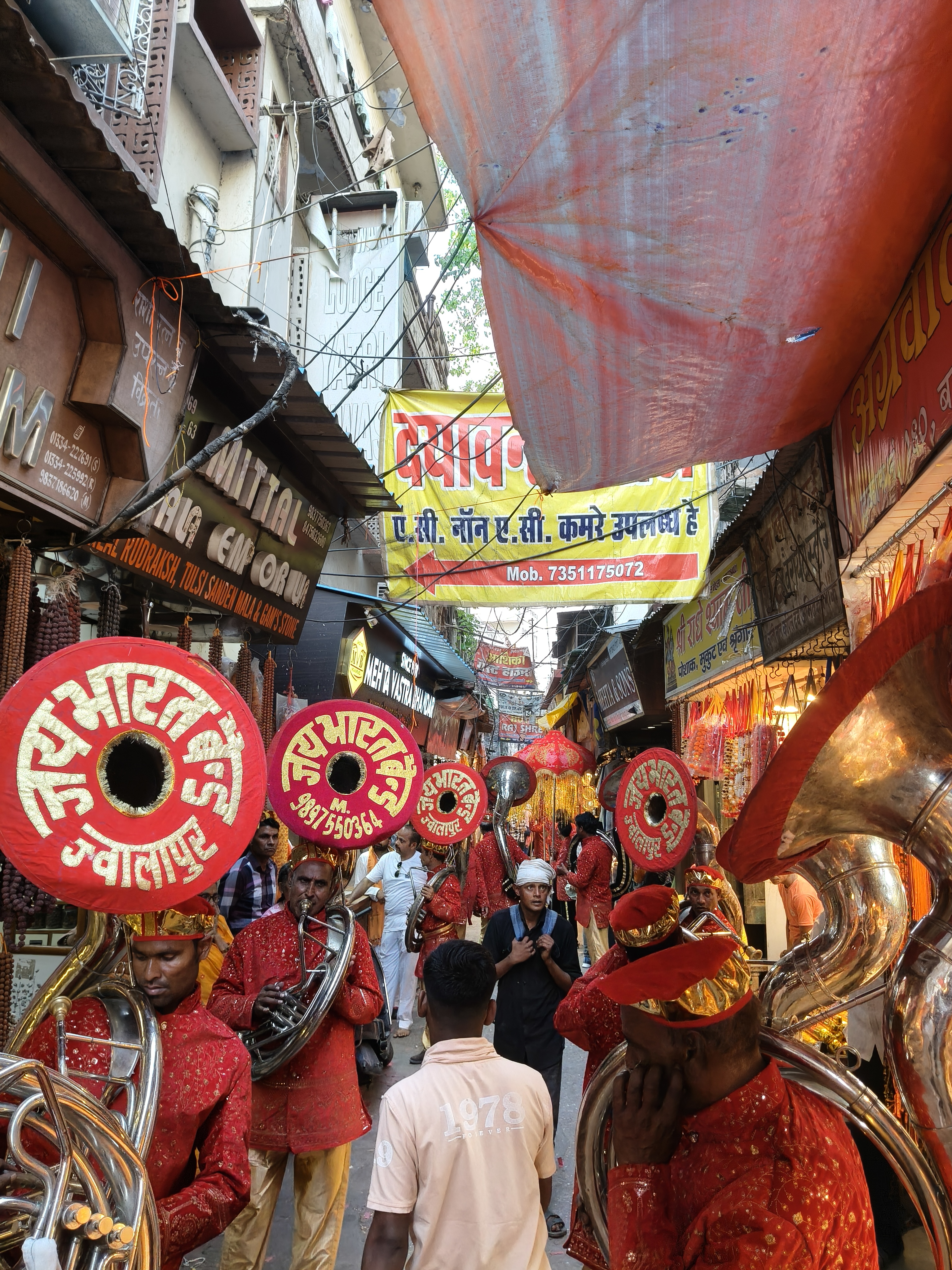
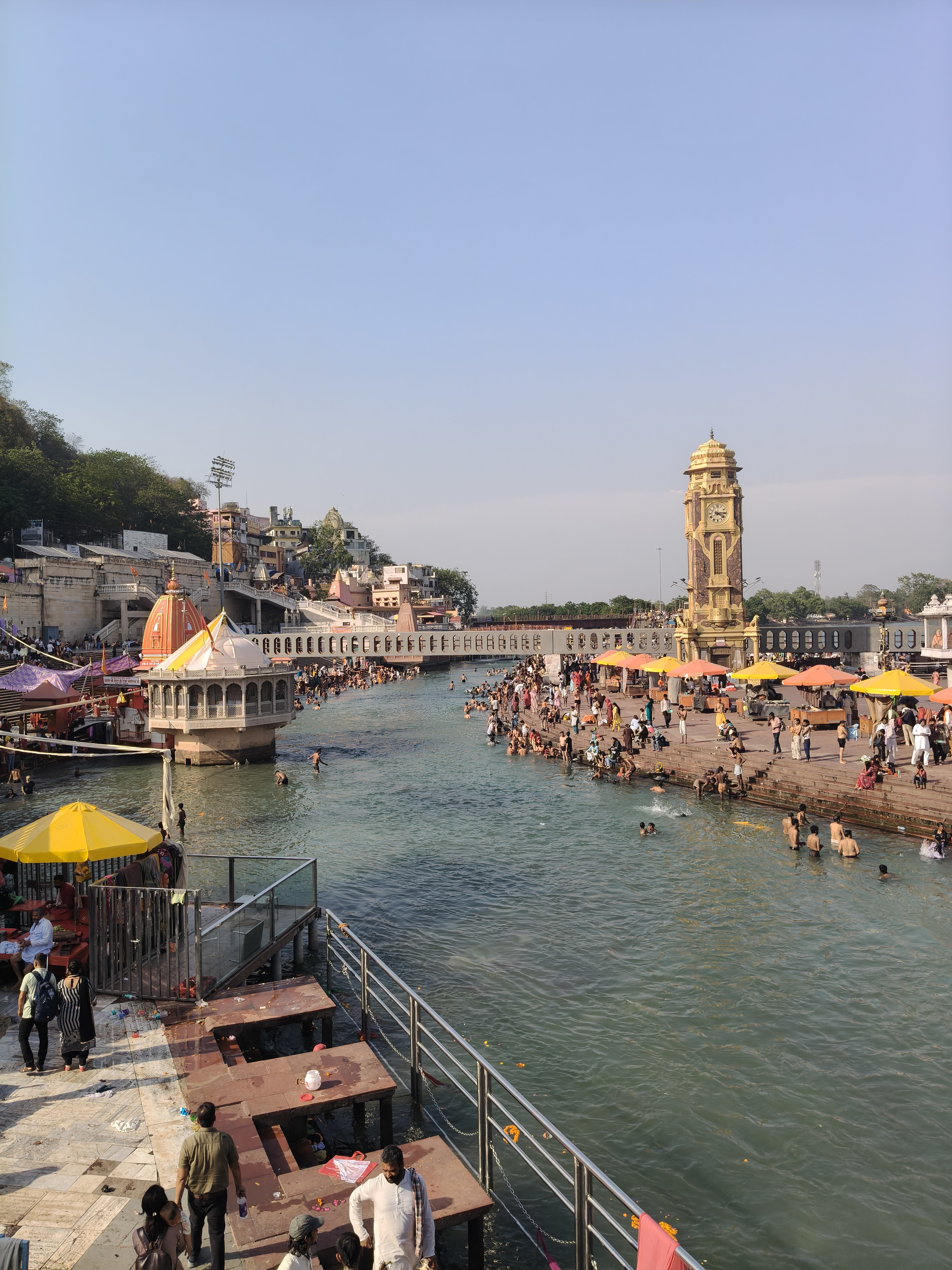
He also showed me some very calm places in the middle of the cities and I was happy to find some quietness with him and drink a chai. Then we went to the place on the river Ganges, where most people go for a dip, to wash off all their bad karma. In his opinion, it would also be no problem for me to have a swim, because the awareness for the water quality had changed over the past 10 years. But I won't try it out. People come from very far away to Haridwar to cleansen their karma. At the same time, the city of Hardiwar has a system for ancestral recording of the family trees in India. People washing off their karma also go to these places where their ancestors are written down (on paper) to add all their new family members.
Besides showing me the market area, I could ask Satish all the questions about hinduism I had in mind. He himself was born in a brahmin family, and went to a strongly religious school, learning about the concepts, the gods, rituals, and ceremonies of hinduism. But to be honest, his explanations for my questions seemed to be reasoned circular to me and not very enlightening. As if he had learned the concepts of the religion by heart, but could not explain, why praying and singing mantras is important.
Many things like decorations, the gods themselves, or symbols like the swastica and ohm, seem to have a strongly symbolic and charged significance. But why these things are relevant for a human's life, I couldn't grasp. But in the end it's not something that I have to understand. Impressive is though, how much dedication and energy Indians put into religion and how it brings people together if you're part of it. Also I have the impression that Indian society is an extremely complex construct of countless social backgrounds, but hinduism brings many of them together, no matter their geographical origin or their appearance.
But in my mind I also have the excluding nature of religion. Hinduism takes in a role of legitimising social and economic differences between individuals through the concept of karma and you can see that not only in the people economically better off, but also in people doing badly-paid jobs. I have the impression, that poorer people like for example riksha drivers, cleaning personell, or other workers, do not encounter other people on eye level and have social hierarchies internalized. They do not look their clients directly in their eyes, they do not rebel if they are disrespected, and they act exessively thankful, if they are treated well.
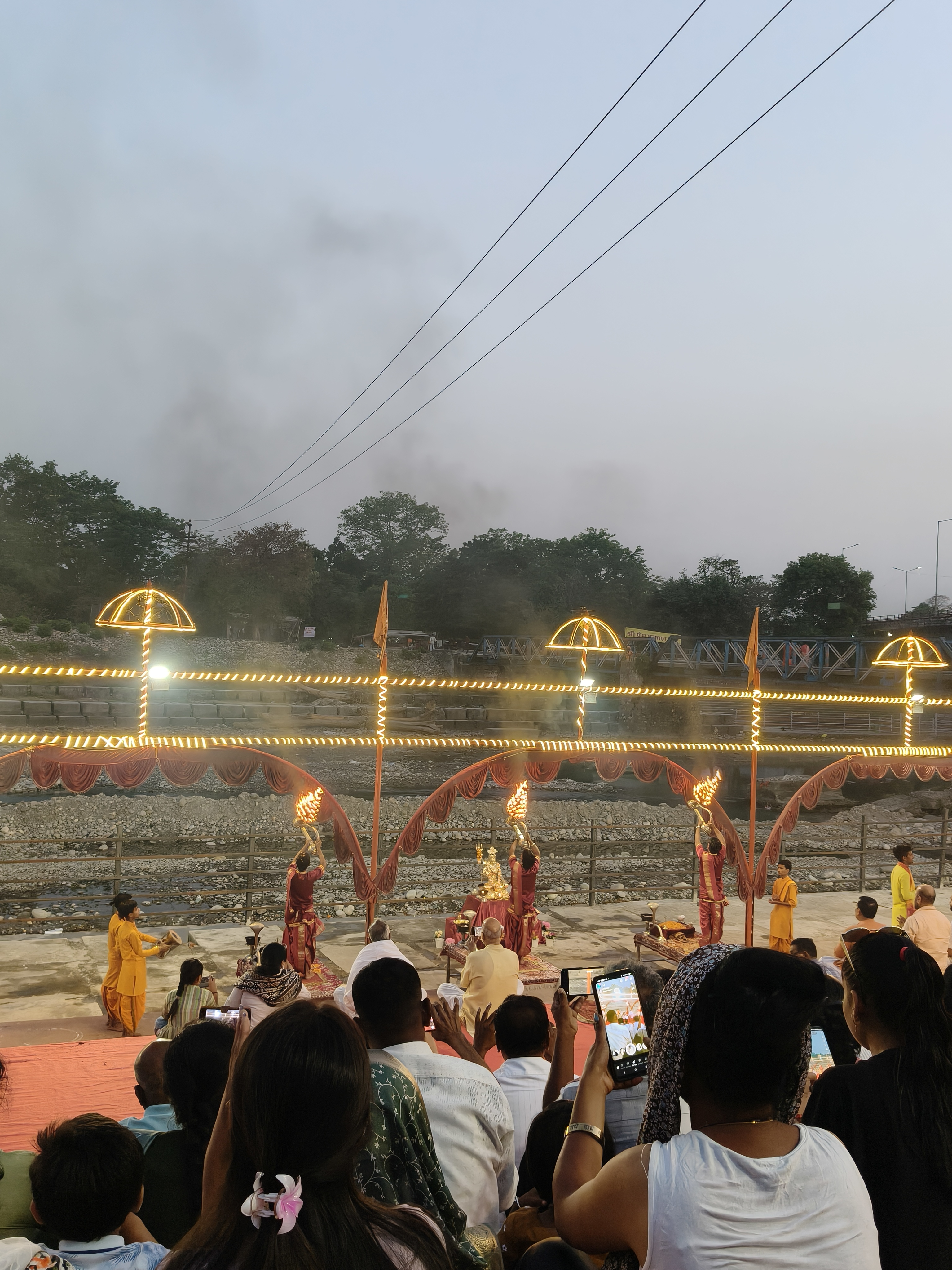
By the end of the tour, Satish took me on his scooter to a fire ceremony for Lord Shiva by the river. Ekstatic music and mantra singing drew many people together and everyone was singing, dancing, clapping. This was beautiful to see.
Sehr spannend, deine Schilderungen! Merci!
Great explanations in great english :). Take care out there! Häbs guet, Tschüss Beat
Oh wow - so spannend! Die Konzepte sind soo anders für uns - schwer zu verstehen.