
India day 6
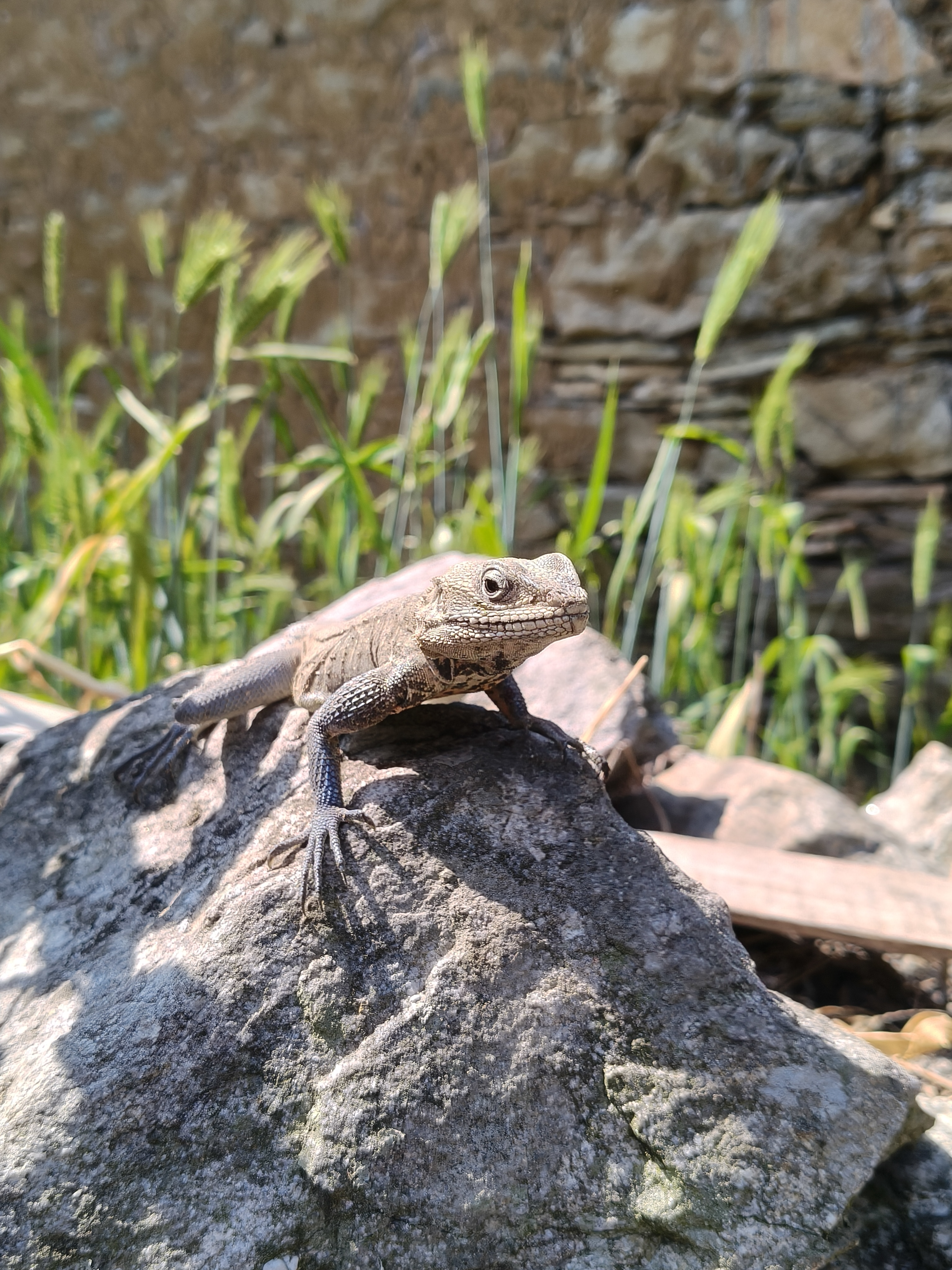
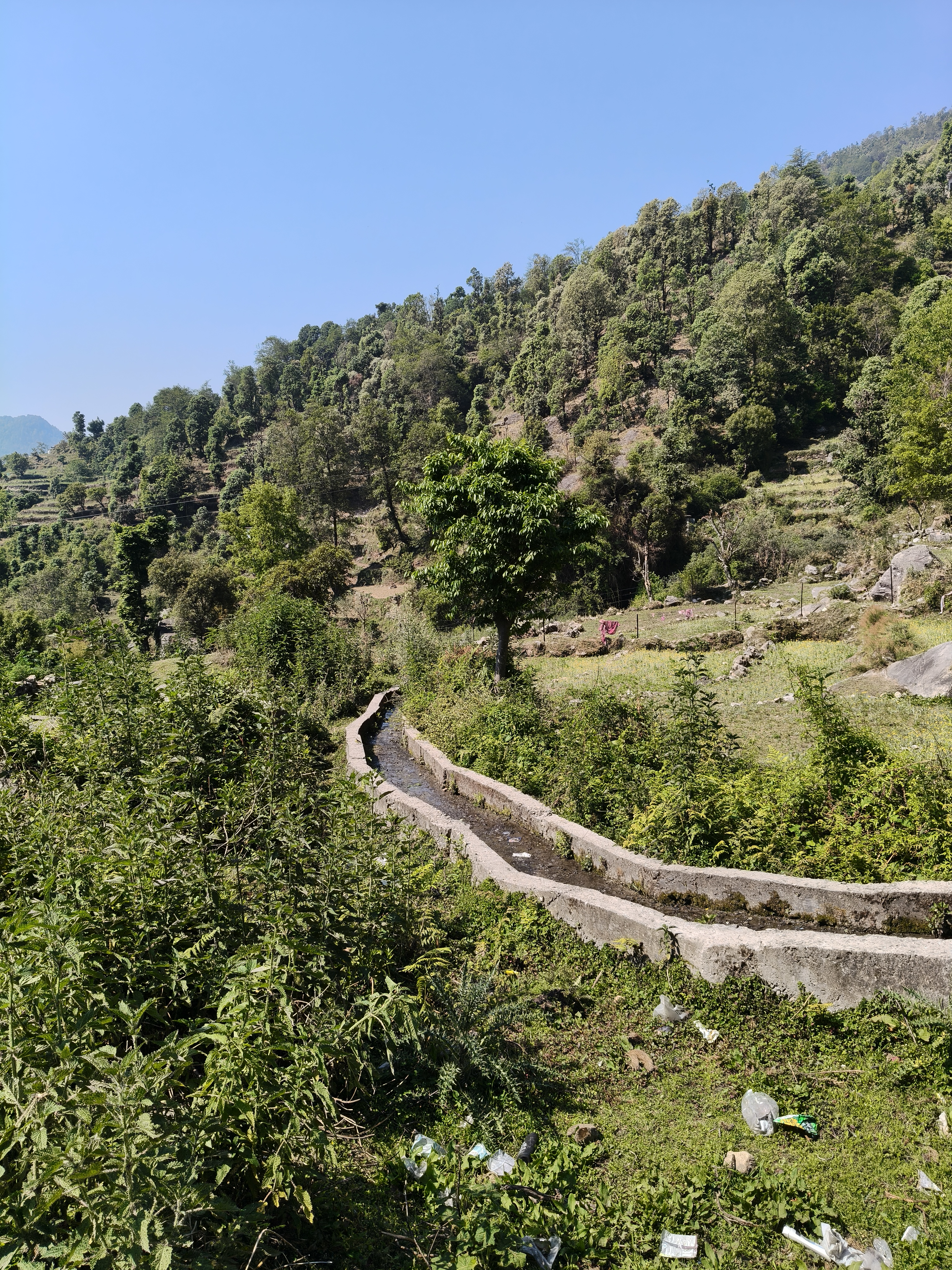
Speaking about the agriculture in Saari with Deewar yesterday, I became eager to explore the terraces today. So today I walked through the hilly valley and admired the fields, the dry walls, and the non-crop plants. The time gone into building the dry walls and maintaining the terraces is unimaginable and still it covers almost the whole hill.
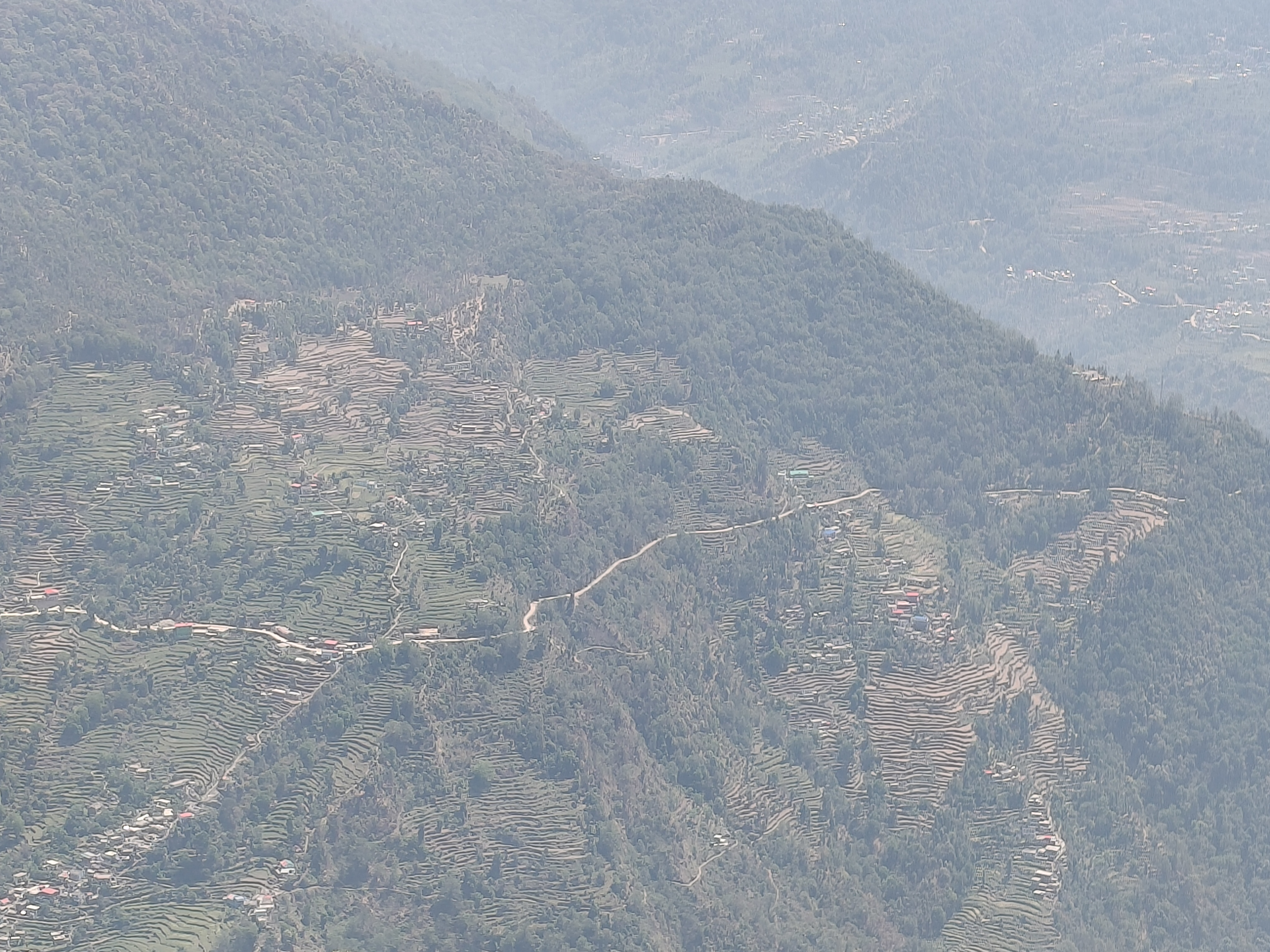
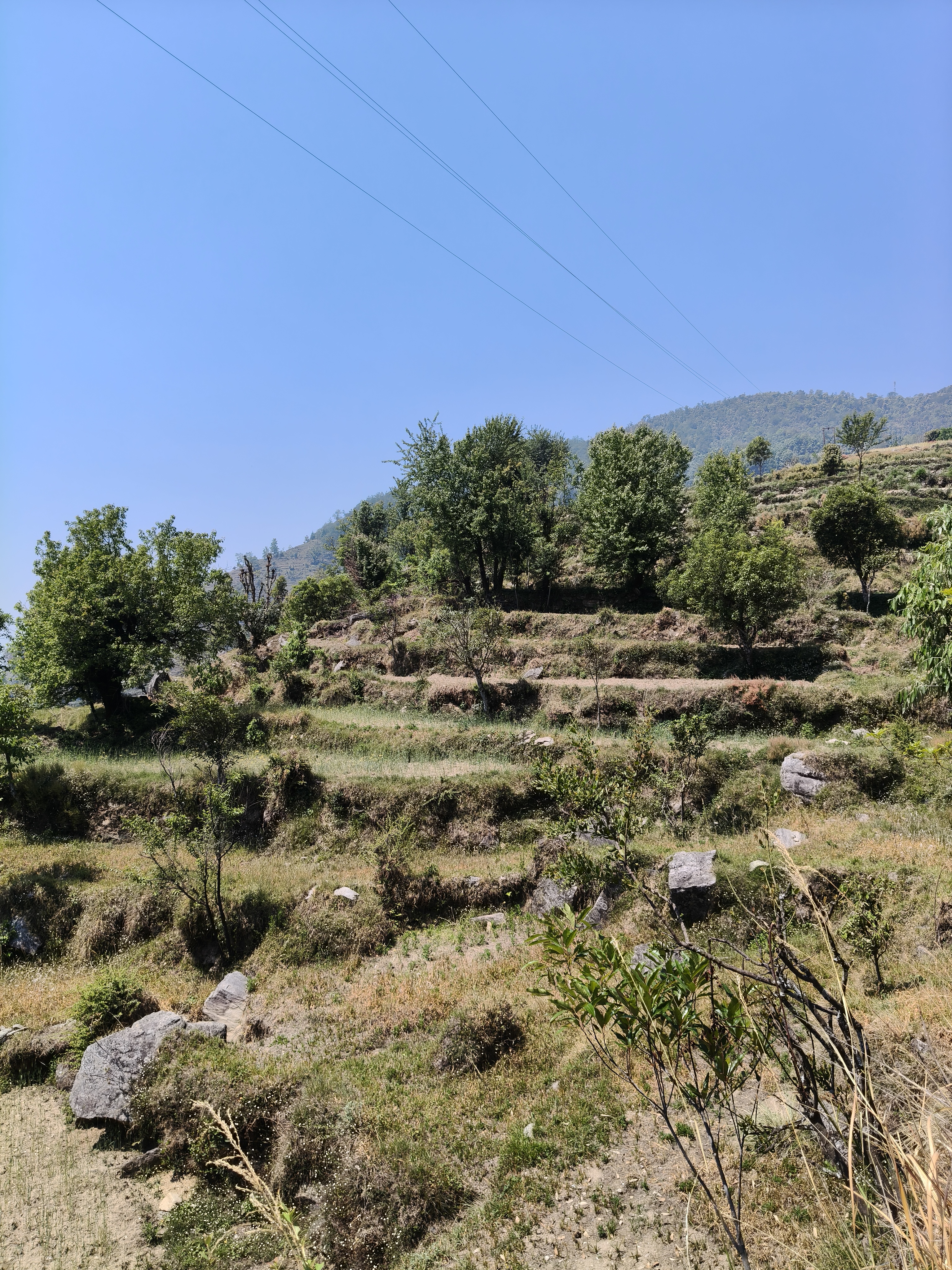
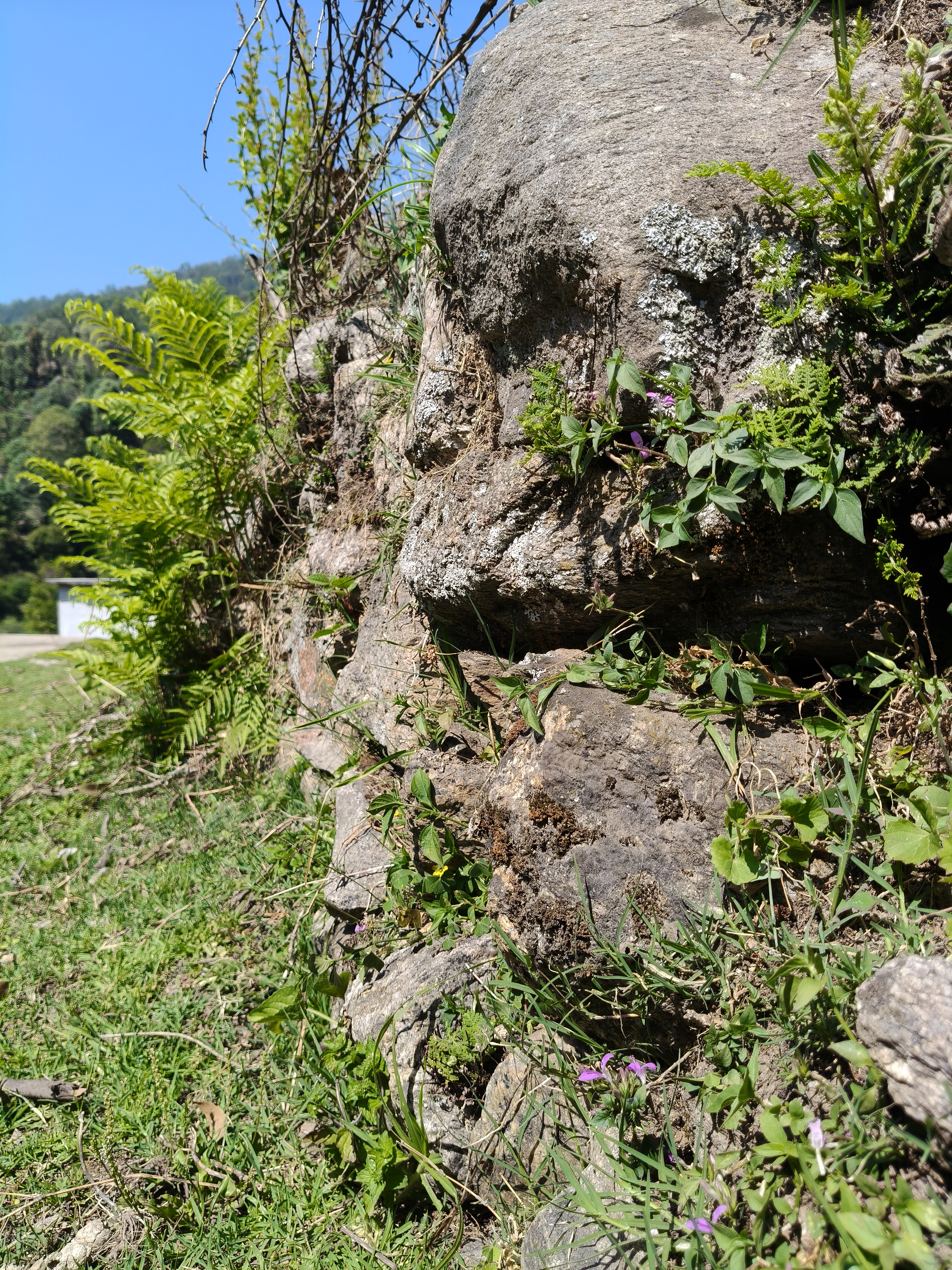
But looking at the lower laying fields of the valley, something Deewar told me, came to my mind. Like in almost all economically fast growing countries also India has issues with young people moving away from rural areas into cities, especially young males. Labour-intensive work such as the managing of the terraced fields is hard to continue in places like Saari, since mechanisation of the work is almost impossible. Yesterday my father also asked, how the terraces and the soil handle strong rainfalls during monsoon season? The terrace system seems to have some canals guiding excessive water down the hill. Also the precipitation is slightly lower compared with regions in lower altitudes.
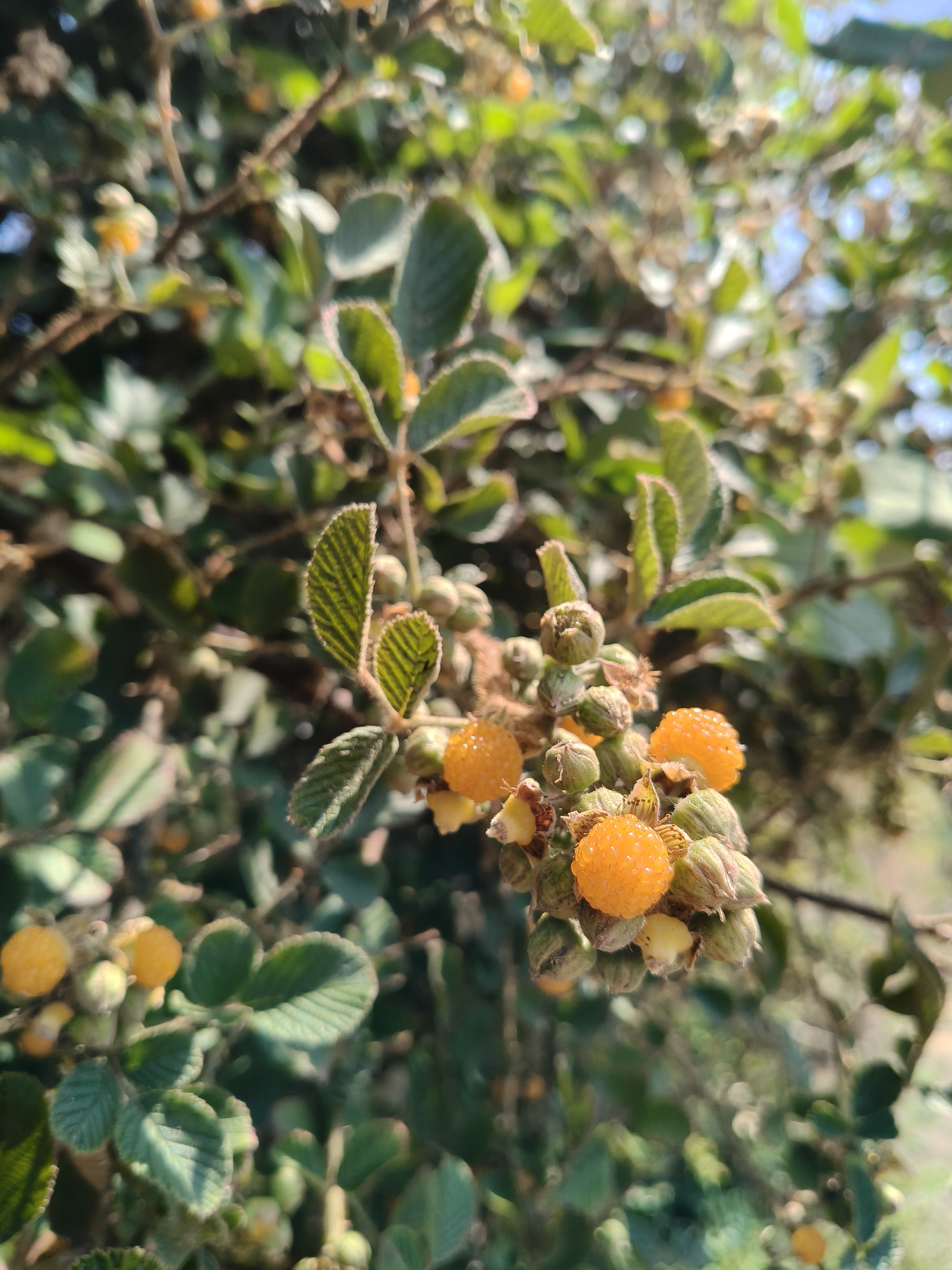
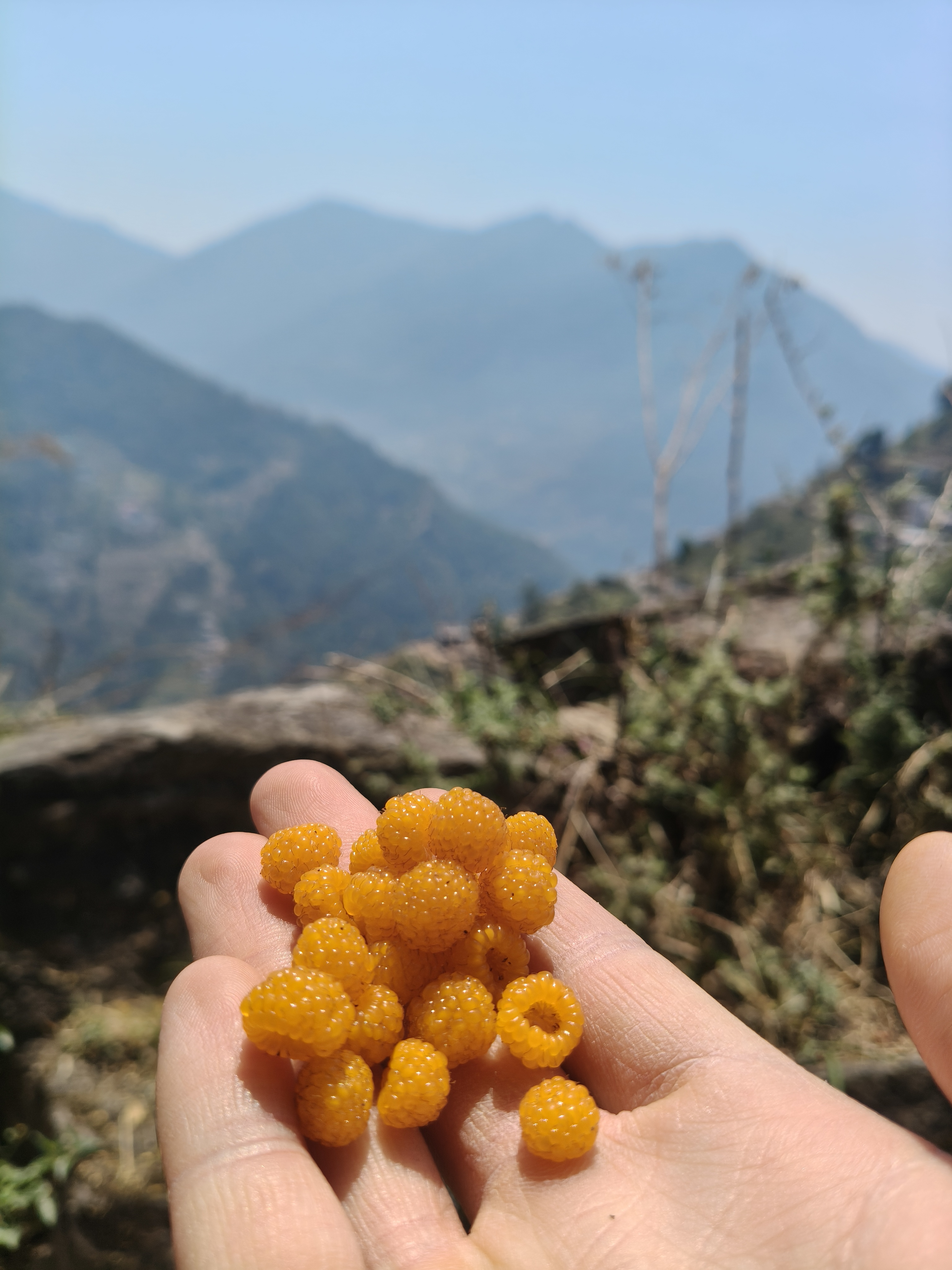
On this stroll through the fields my highlight was a bush of himalayan raspberries. They were sweeter and nuttier than the ones we know, and I now dried some of them in the sun for seeds, and hope, that I'm allowed to bring them home with me.
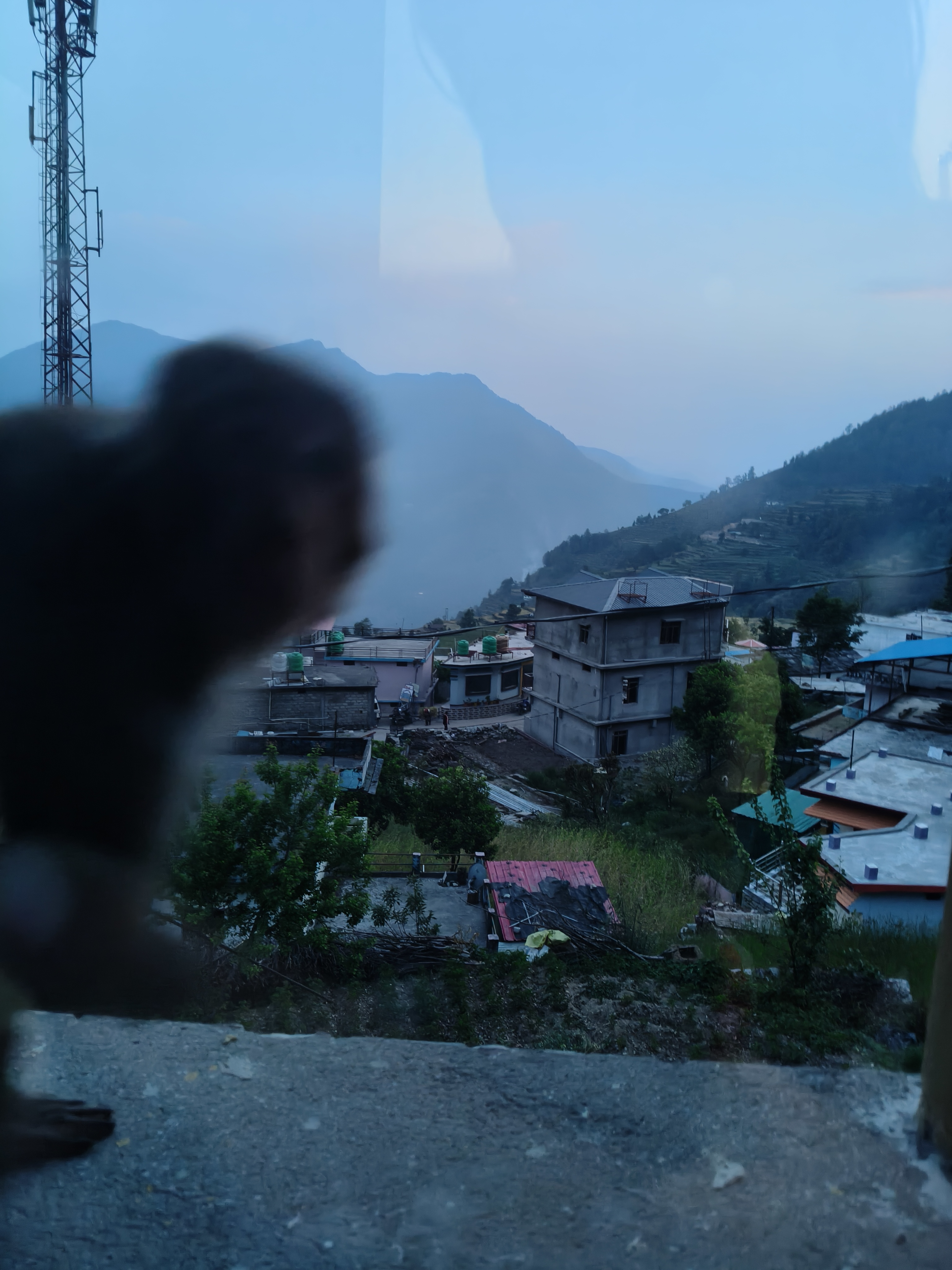
In the evening as I was waiting for dinner to be ready, my room got surrounded by monkeys running around. But the best picture I could take is only this one:
Little quiz for the end: How many lizards can you see on this stone roof?
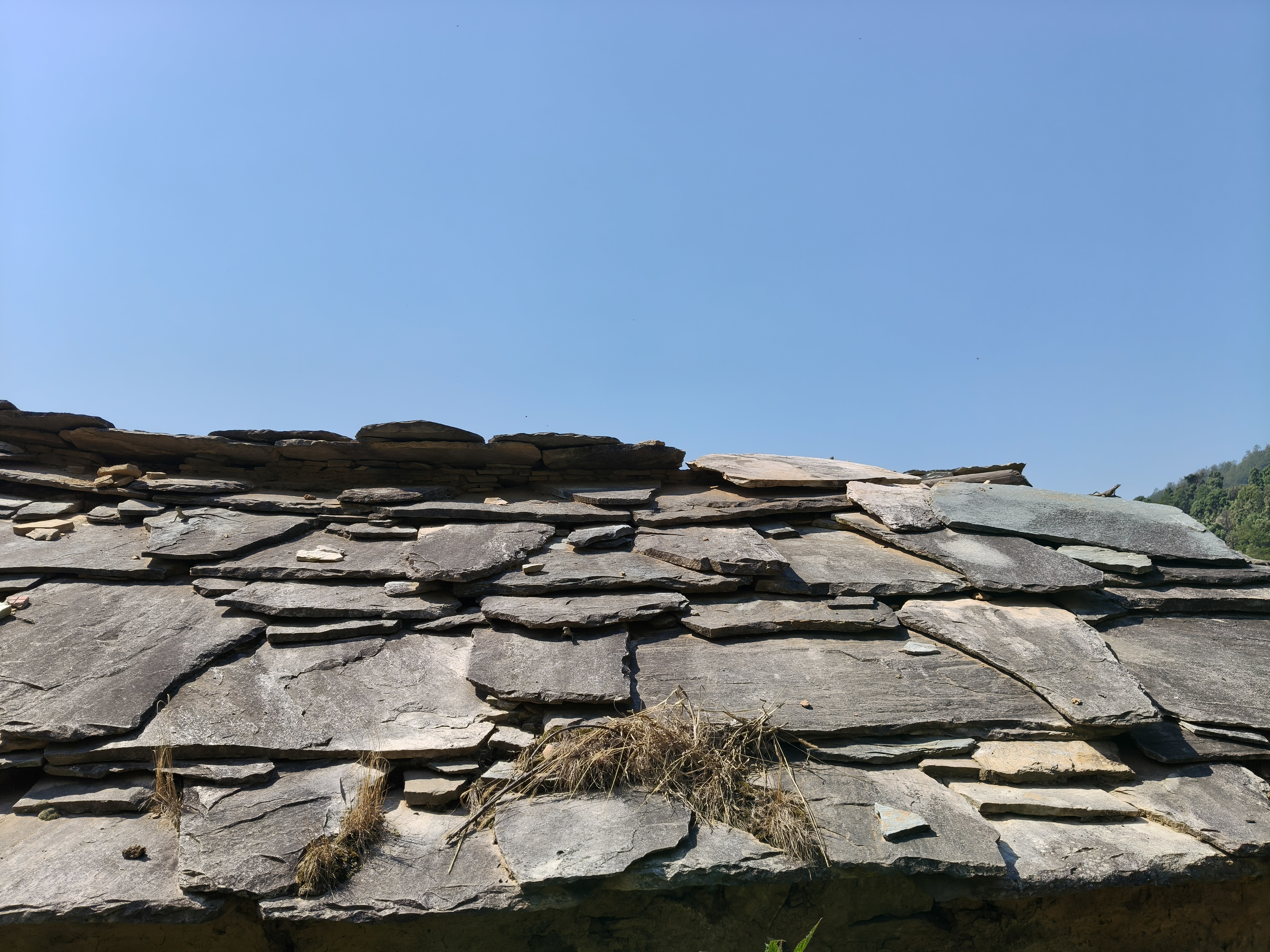
Sehr interessant, deine Erklärungen zum Terrassenanbau! Ich sehe bisher drei Eidechsen, aber wenn du so fragst, hat es sicher mehr?
I counted 4 of them…
Yess i think 4 are visible on the picture ;) but by eye there were many more in the stones' shadows